
“Compostable” is a claim with conditions attached, and buyers are increasingly asked to prove it rather than print it. This page sets out what the material is, what it needs in order to break down, and what to say — and not say — on your own packaging.
What the bowl is made of
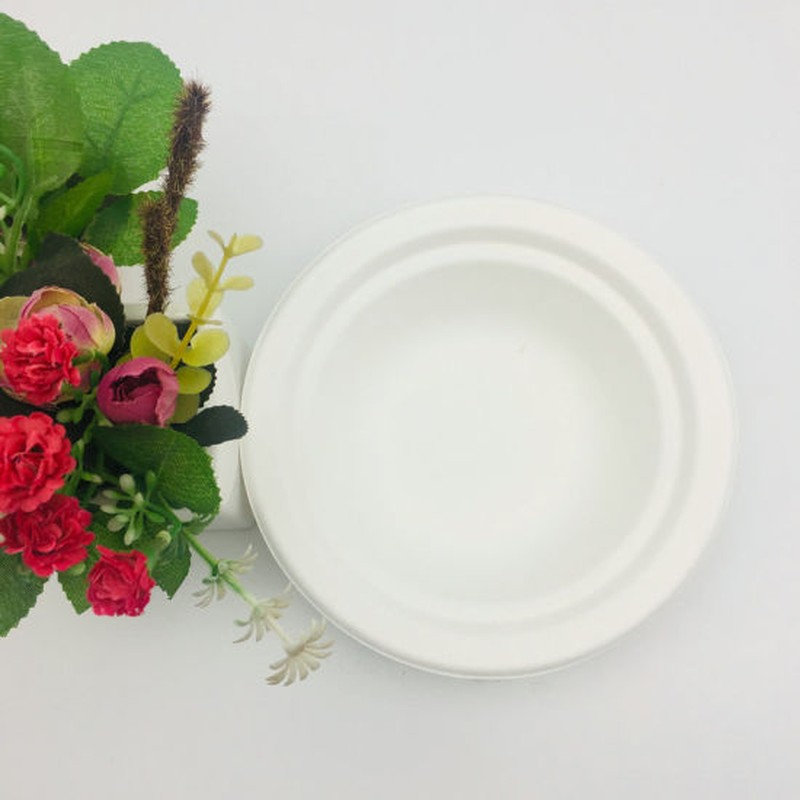
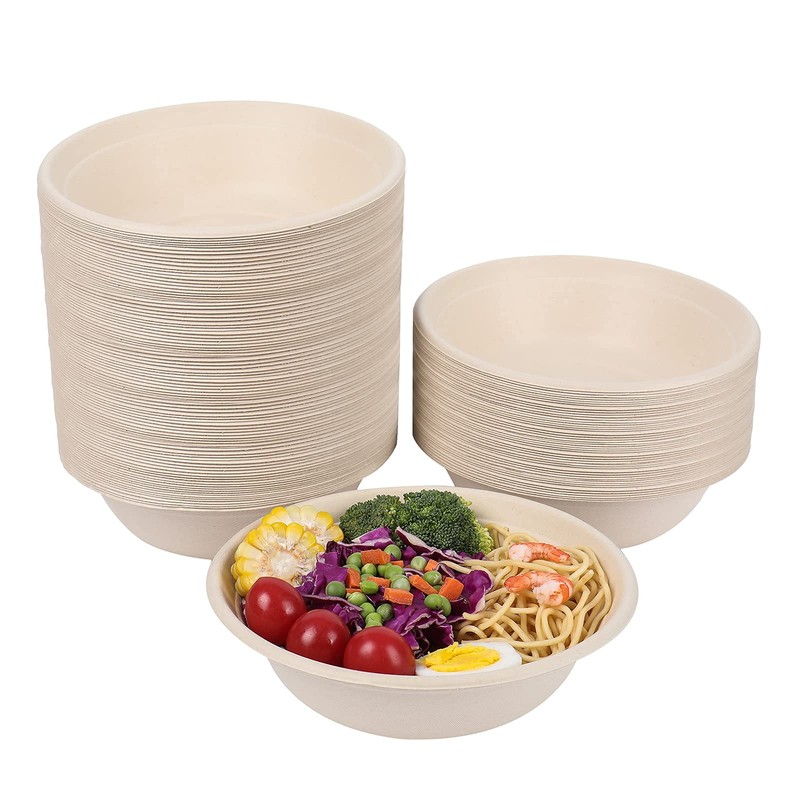
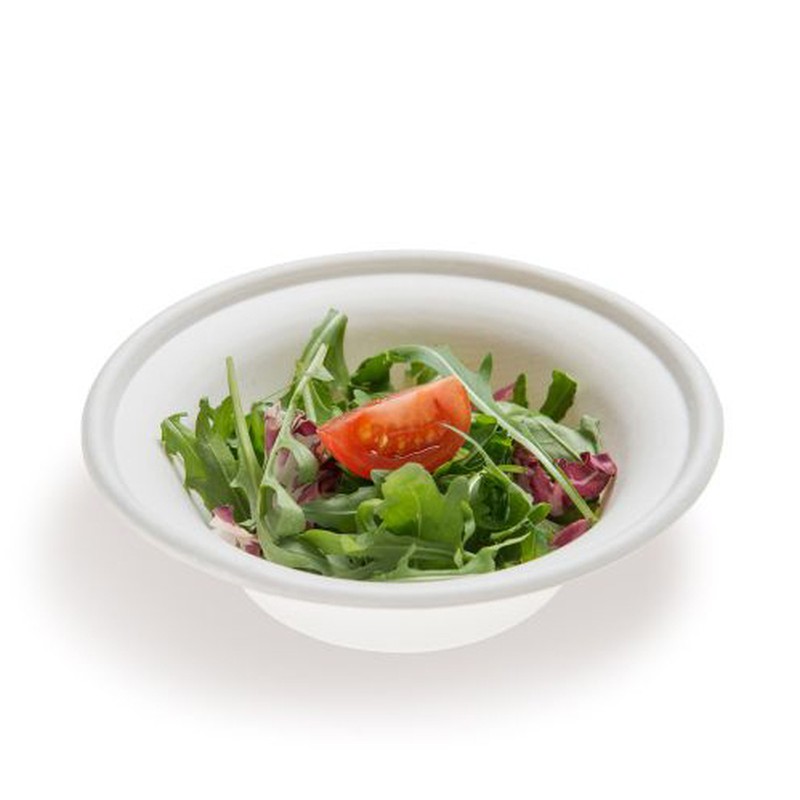
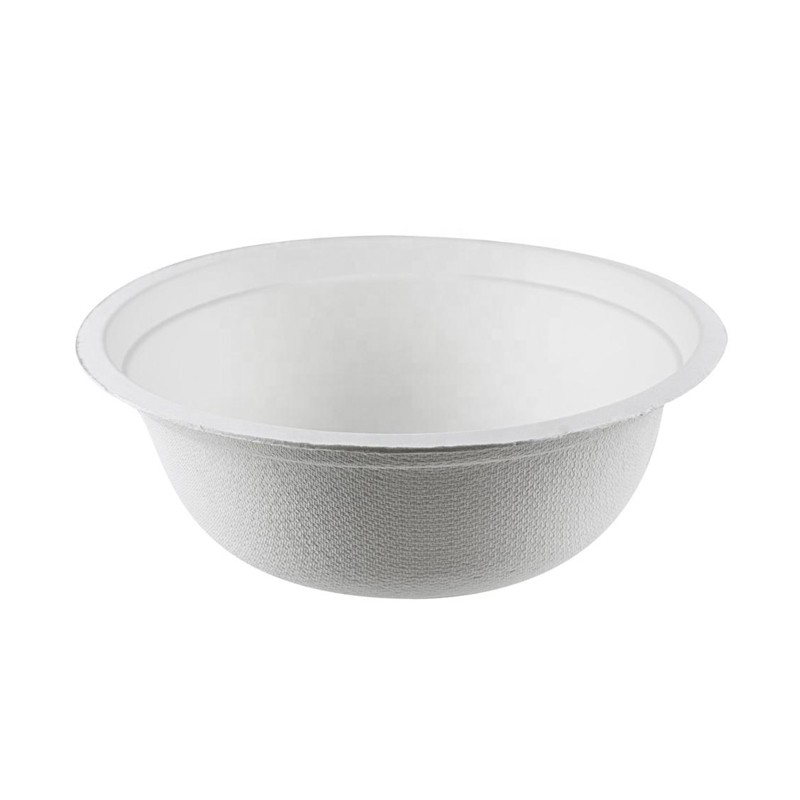
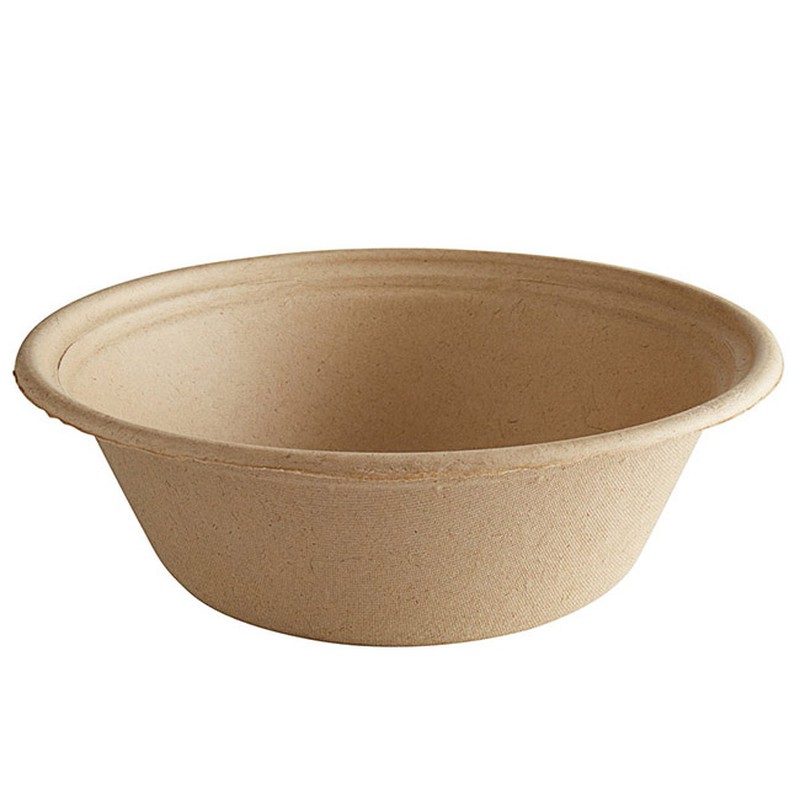
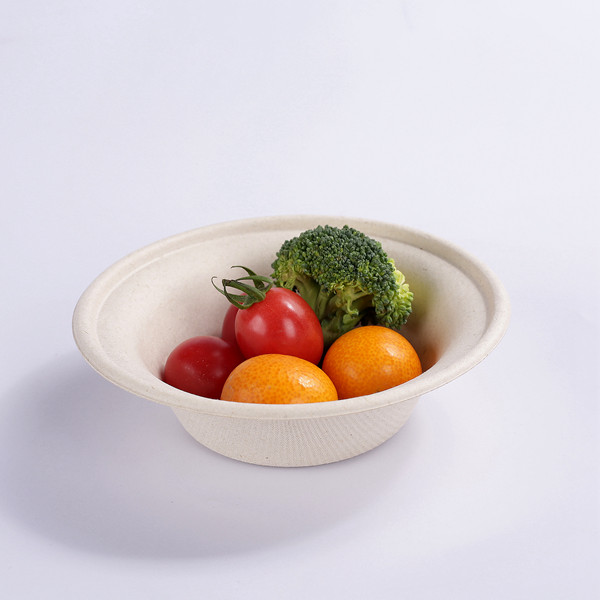
Sugarcane bagasse is the fibrous residue left after juice is extracted from cane. It is pressed into shape under heat, which is why the bowl has no added plastic lining and no laminated film. That single fact drives most of the environmental story: there is nothing to separate at disposal.
What composting actually requires
Moulded fibre breaks down in a commercial facility with sustained heat and moisture. It does not break down at the same rate in a home heap, and it should not be described as doing so. If your customers dispose of packaging at home, say that the bowl needs a commercial collection — the honest version is also the defensible one.
Compostable, biodegradable, recyclable
These are three different claims and in some markets three different legal standards. This guide sets out the difference; read it before writing anything on your own pack.
Regulatory context
Single-use plastic restrictions across US states and EU member states increasingly name the materials that are acceptable rather than only the ones that are banned. See US state plastic bans and PFAS-free packaging for the two rules that most often decide a specification.
Questions buyers ask
Is the bowl PFAS-free? Yes. Ask for the documentation you need for your market when you inquire.
Can it go in a home compost bin? It will break down far more slowly than in commercial composting; plan your customer messaging around that.
Does the material affect food contact? The interior is smooth and uncoated. State any specific food-contact requirement you must meet.
Compare materials in the bagasse vs PLA vs kraft paper guide, or ask for samples and documentation.
| Item No. | Product Name | Weight(g) | Size (mm) | Pack | Carton (cm) |
|---|---|---|---|---|---|
| MG-TW08 | 8oz Bowl | 6.5 | Φ112*H46 | 50*20 | 55*23.5*24.5 |
| MG-TW12 | 12oz Bowl (360ml) | 10 | Φ160*H38 | 125*8 | 50*33.8*35 |
| MG-TW16 | 16oz Bowl (480ml) | 12 | Φ178*H40 | 125*8 | 60*37.2*38 |
| MG-TW24 | 24oz Bowl | 21 | Φ208*H45.2 | 50*12 | 39.1*37*44.5 |
| MG-TW32 | 32oz Bowl | 25 | Φ208*H61 | 125*4 | 48.5*22*43.7 |
| MG-TW40 | 40oz Bowl | 28 | Φ208*H70 | 50*8 | 51.5*22.3*44 |
| MG-350W | 350ml Bowl | 10 | Φ135*H48 | 50*12 | 46*28.5*29.5 |
| MG-500W | 500ml Bowl | 12 | Φ155*H58 | 50*12 | 48*32.5*33.5 |
| MG-BTYW02 | Oval Bowl | 21 | 240*155*H55 | 75*8 | 60*51*34.5 |
| MG-B-850ML | 850ml Salad Bowl | 20 | 233*132*H45 | 50*8 | 46*25.5*29.5 |
| MG-B-SB01−2 | 2−Compt Salad Bowl | 25 | 233*132*H60 | 50*8 | 50.5*34*29.5 |
| MG-750W | 750ml Bowl | 17 | Φ168*H60.7 | 125*4 | 44.5*37.5*38 |
| MG-1000W | 1000ml Bowl | 19 | Φ168*H75.7 | 125*4 | 51.5*37.5*38 |